
Understanding the psychological triggers that lead to gambling addiction
The allure of risk-taking
Gambling inherently involves risk, which can be an alluring aspect for many individuals. The thrill of potentially winning money or prizes can trigger excitement and anticipation. This excitement often leads to an adrenaline rush, making the experience highly engaging. For some, this risk-taking behavior may stem from a desire for a break from routine, creating a sense of adventure that is otherwise missing in their lives. While exploring various platforms, players can discover remarkable opportunities at https://mrslotsclub.co.uk/ that enhance their gaming experience.
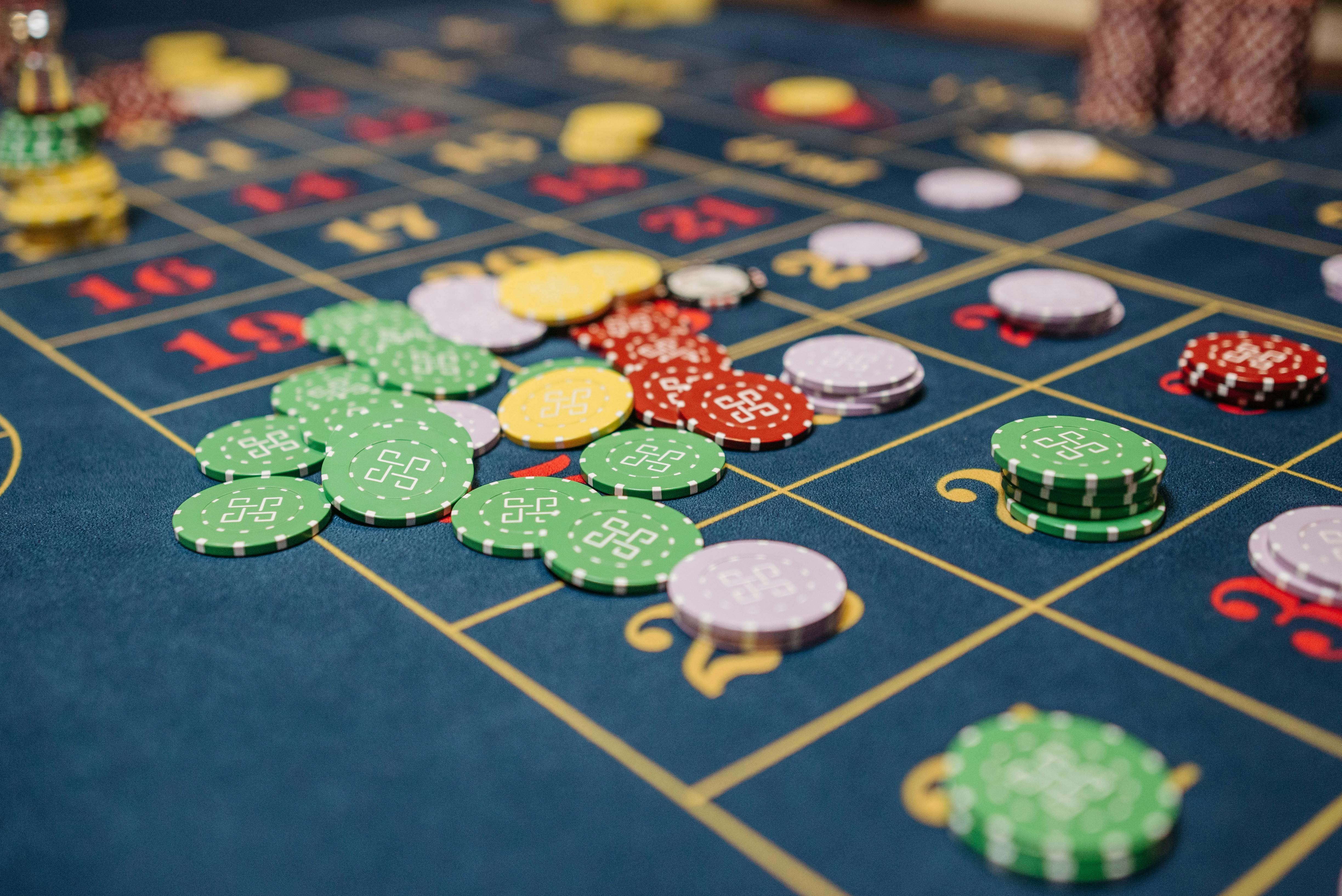
This desire for excitement can become problematic when individuals begin to seek out gambling as a primary source of stimulation. As their tolerance for risk increases, they may find themselves placing larger bets or playing for extended periods. Over time, this behavior can escalate, leading to a cycle of addiction that is difficult to break.
The role of escapism
Many people turn to gambling as a form of escapism from daily stressors, including work pressures and personal issues. The immersive nature of gambling can provide a temporary distraction, allowing individuals to forget their problems. This escape can quickly become a coping mechanism, leading to increased gambling behavior as a way to handle life’s challenges.
As individuals continue to gamble to escape reality, they may find themselves trapped in a vicious cycle where they gamble more to alleviate stress, only to create additional financial and emotional burdens. This cycle can lead to deeper psychological issues, such as anxiety and depression, further perpetuating the addiction.
The impact of social influences
Social environments play a significant role in gambling behaviors. Peer pressure and societal norms can strongly influence an individual’s gambling habits. For example, witnessing friends or celebrities engaging in gambling can create a perception that it is a socially acceptable or glamorous activity, further enticing individuals to participate.
Moreover, the rise of online gambling platforms has made it easier for individuals to gamble discreetly and frequently. Social media and advertisements often glamorize the lifestyle associated with gambling, which can reinforce addictive behaviors. When individuals feel the need to fit in or seek approval, they may be more likely to engage in gambling, despite the risks involved.
The psychological effects of winning and losing
The emotional highs and lows experienced during gambling can significantly impact an individual’s psychology. Winning can lead to a rush of dopamine, reinforcing the behavior as individuals chase that rewarding feeling. Conversely, losing can lead to feelings of despair and frustration, prompting individuals to gamble again in hopes of recouping their losses.
This cycle of reward and loss creates a powerful psychological grip that can lead to addiction. Individuals may begin to justify their gambling by focusing on past wins while ignoring the long-term losses. This cognitive dissonance makes it challenging for them to recognize the negative impact gambling has on their lives, ultimately leading them deeper into addiction.

Exploring safe gambling options
Understanding the psychological triggers of gambling addiction is essential for promoting responsible gaming. Players can benefit from platforms that offer safe and secure environments, such as Mr Slots Club Casino. This online destination not only provides a variety of games but also emphasizes player safety and responsible gaming practices.
By focusing on responsible gaming, players can enjoy the thrill of gambling while minimizing the risk of addiction. With features like self-exclusion options and educational resources, Mr Slots Club Casino aims to create an inclusive and supportive environment for all players, ensuring that gambling remains a source of entertainment rather than a path to addiction.